Fashion retailer Guess has significantly upgraded its logistics capabilities through the integration of a sophisticated automated fulfilment system at its GXO Logistics facility in Venlo, Netherlands. The deployment of 127 autonomous warehouse robots marks a strategic pivot for the brand as it seeks to address the mounting pressures of modern retail, including the need for increased speed, greater inventory accuracy, and the ability to scale rapidly during seasonal demand fluctuations. By partnering with Exotec, a leader in robotics, Guess is positioning its supply chain to handle the complexities of the EMEA and Asian markets with unprecedented efficiency.
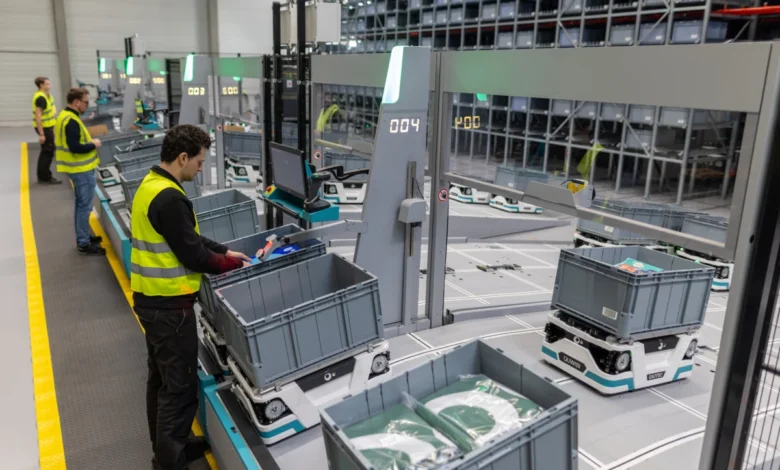
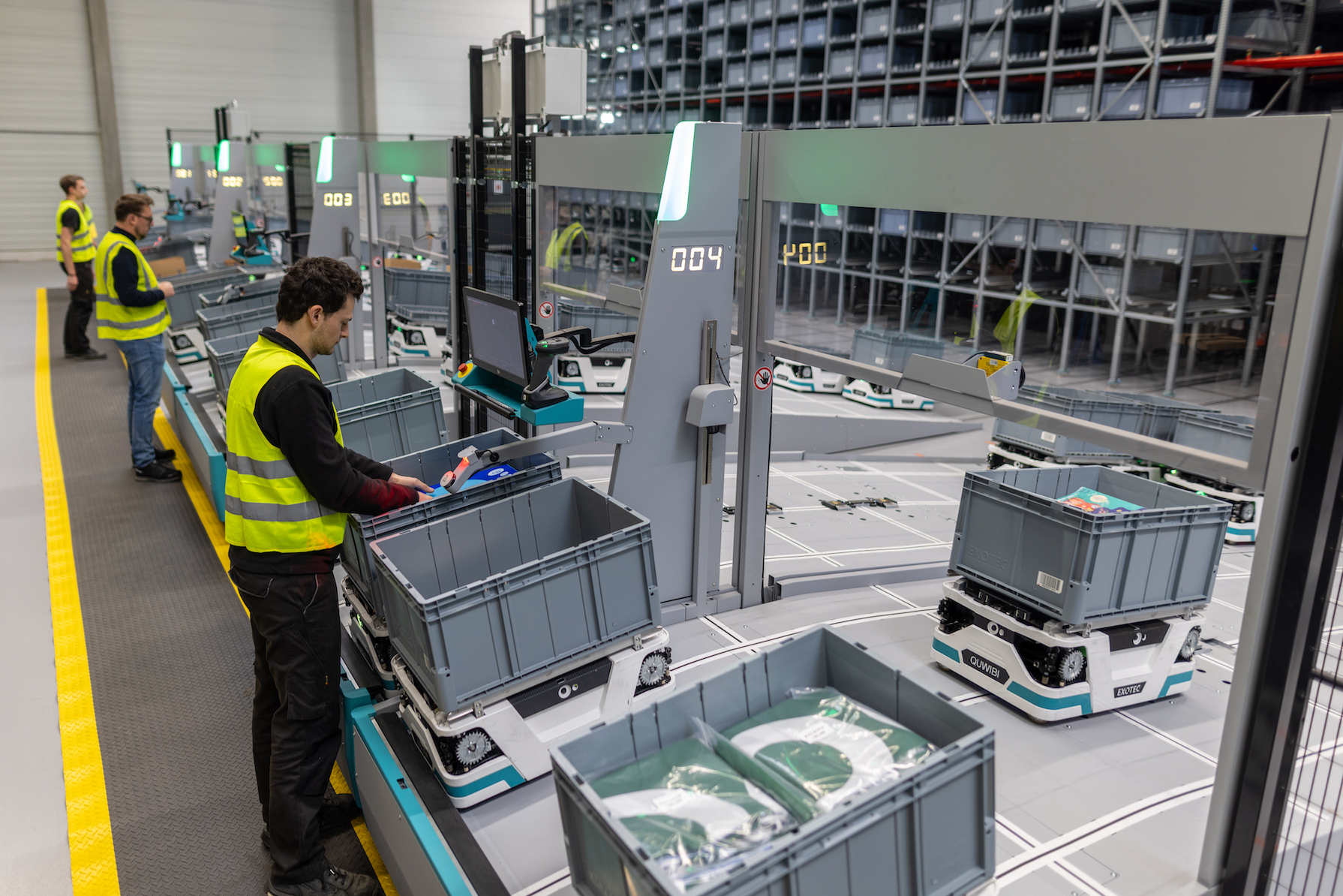
The implementation of the Skypod system represents a major technological leap for the Venlo facility. The infrastructure now includes a staggering 60,000 rack locations, which are serviced by the 127 mobile robots. This high-density storage solution is augmented by eight goods-to-person picking stations, where automated systems deliver products directly to human operators, thereby reducing travel time and physical strain on warehouse staff. The entire operation is supported by 200 metres of specialized conveyor infrastructure, designed to streamline the movement of goods from storage to dispatch.
Technological Specifications and Operational Capacity
The core objective of this technological investment is to maximize throughput. According to operational data, the new system is capable of processing up to 70,000 individual pieces of apparel per day. During peak periods—such as the holiday shopping season or major promotional events—the facility can manage up to 2,200 order lines per hour. This level of output is critical for a global retailer like Guess, which must manage a diverse and rapidly changing inventory of fashion items across multiple international territories.
The Venlo facility serves as a vital hub for the brand. Beyond simple storage and retrieval, GXO Logistics provides an array of value-added services at the site. These include rigorous quality control inspections, garment conditioning to ensure items meet retail standards, and complex outbound distribution management. By automating the most repetitive aspects of the fulfilment process, the facility allows its human workforce to focus on higher-value tasks, such as quality assurance and complex order handling.
The Evolution of Fashion Logistics
The fashion industry has faced an increasingly volatile landscape over the past decade. Retailers are currently battling a "triple threat" in logistics: an explosion in the number of Stock Keeping Units (SKUs) as trends shift faster than ever, intense seasonality that creates massive spikes in volume, and rising consumer expectations for next-day or even same-day delivery. Traditional manual warehousing models, which rely heavily on human labor walking long distances through aisles to pick items, are increasingly unable to keep pace with these demands.
The collaboration between Guess and GXO began as a response to these structural challenges. As the brand’s global footprint expanded, the manual processes at the Venlo hub became a bottleneck. The decision to invest in robotics was not merely a cost-saving exercise but a strategic necessity to ensure long-term viability. By integrating the Skypod system, Guess has effectively decoupled its operational capacity from the constraints of traditional labor-intensive models, allowing it to scale its output in direct correlation with market demand.
Chronology of the Transformation
The transition to automated fulfilment did not occur overnight. It represents the culmination of a multi-year effort to modernize the brand’s European supply chain.
- Pre-2024 Phase: The facility relied on traditional manual picking methods, which faced significant strain during the peak retail seasons of 2022 and 2023.
- Early 2025 Planning: Guess and GXO conducted a comprehensive audit of their logistics network, identifying the Venlo site as the ideal candidate for a high-density automated pilot project.
- Mid-2025 Implementation: The physical installation of the Skypod racks, conveyor systems, and the commissioning of the robot fleet took place. This phase involved rigorous testing to ensure the software could integrate seamlessly with existing inventory management systems.
- Late 2025 Deployment: The system went live, with the 127 robots fully integrated into the warehouse management workflow.
- 2026 Optimization: Following the initial launch, the current phase focuses on fine-tuning the algorithms that govern robot movement, ensuring that picking paths are optimized based on real-time order data.
Leadership Perspectives and Operational Impact
Mark Donné, the operations manager for GXO in Venlo, has been vocal about the immediate positive impact of the transition. He noted that the benefits were visible from the very first day of operations. The system, which was engineered specifically to address the unique logistical profile of Guess, has introduced a new level of predictability to the supply chain.
"Our automated solution with Exotec, tailored specifically for Guess, has helped take our operation to the next level," Donné stated. "It enables faster processing, greater predictability, and a smoother workflow across the entire site. As our business with Guess continues to grow, we have the scalability and flexibility needed to support future demand."

The shift also signals a broader trend within the logistics industry: the rise of "collaborative" warehousing. In this model, robots handle the heavy lifting and long-distance travel, while human workers manage the intricate, touch-sensitive tasks that require judgment and oversight. This synergy between human intuition and machine precision is increasingly becoming the industry standard for premium retailers.
Implications for the Global Fashion Market
The success of the Guess and GXO project holds broader implications for the fashion retail sector. As companies look to reconcile the high costs of physical retail with the rapid growth of e-commerce, the "middle-mile" and "last-mile" logistics are becoming the primary battlegrounds for competitive advantage.
- Inventory Agility: With 60,000 rack locations managed by intelligent software, Guess can react to regional trends in real-time. If a specific product gains traction in the Asian market, the system can prioritize its picking and shipping, effectively reducing the time it takes for goods to move from the factory to the consumer’s wardrobe.
- Sustainability Efforts: While not the primary driver, automation often leads to greater energy efficiency. By optimizing the movement of robots and reducing the need for massive, climate-controlled warehouse spaces that require excessive lighting and heating for human comfort, the company is likely to see a decrease in its carbon footprint per order.
- Human Capital Strategy: By automating the most taxing physical aspects of the job, the company is also addressing a common industry challenge: worker fatigue and retention. The warehouse of the future is shifting from a place of manual labor to a place of technical management, which may help the company attract a more skilled and specialized workforce.
Future-Proofing the Supply Chain
As the retail sector moves into the latter half of the 2020s, the ability to pivot becomes the most valuable asset in any brand’s portfolio. The investment in the Venlo facility serves as a testament to the fact that Guess is committed to maintaining its position as a global leader in the premium fashion space. By embracing advanced robotics, the company is not only meeting the current demands of its customer base but is also building a foundation that can accommodate the next generation of retail technology, such as AI-driven predictive logistics and fully autonomous inventory auditing.
In conclusion, the deployment of 127 warehouse robots at the GXO facility is a clear indicator of the direction in which the fashion industry is heading. It is a world where speed, accuracy, and scalability are non-negotiable. Through this partnership, Guess has demonstrated that even established global brands must be willing to embrace radical technological change to remain relevant in an era defined by digital-first consumption and instant gratification. As the system continues to mature, the data generated will likely inform future logistics strategies, setting a new benchmark for how premium apparel is handled, stored, and distributed on a global scale.